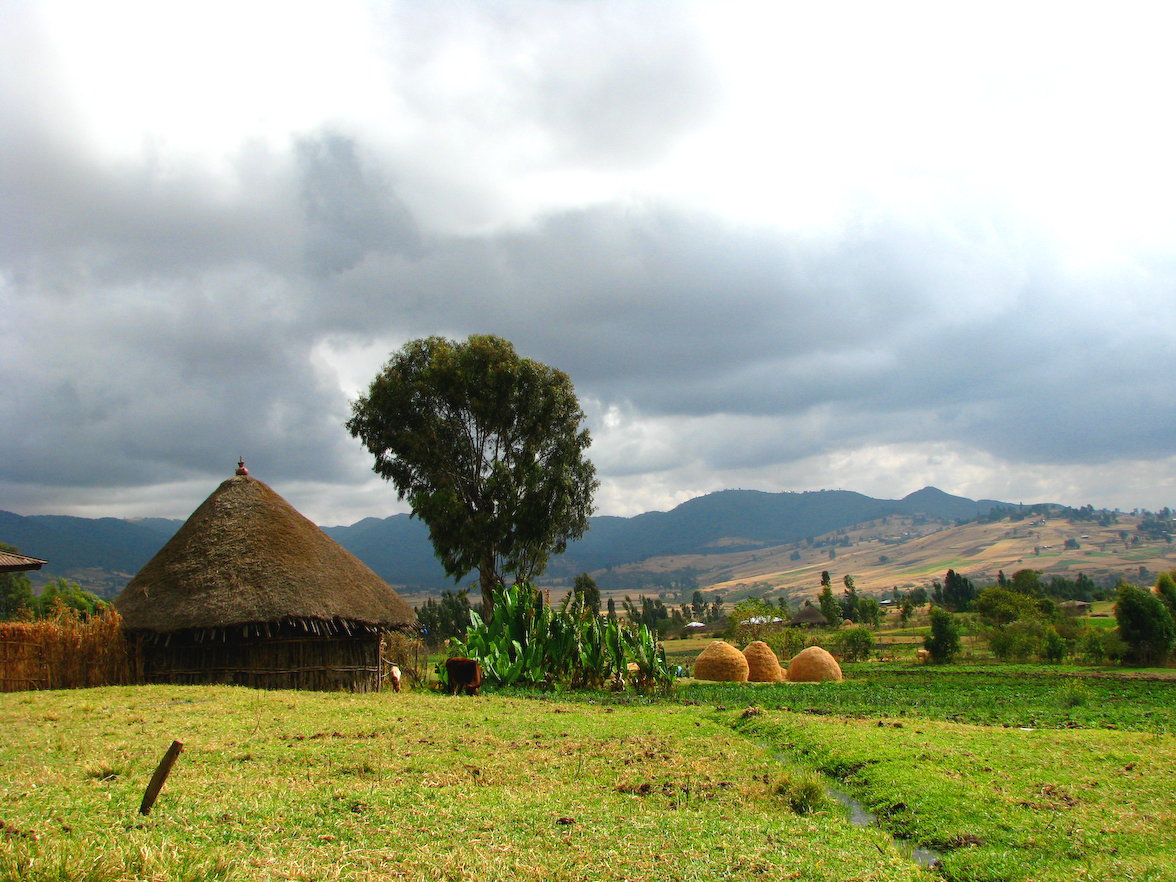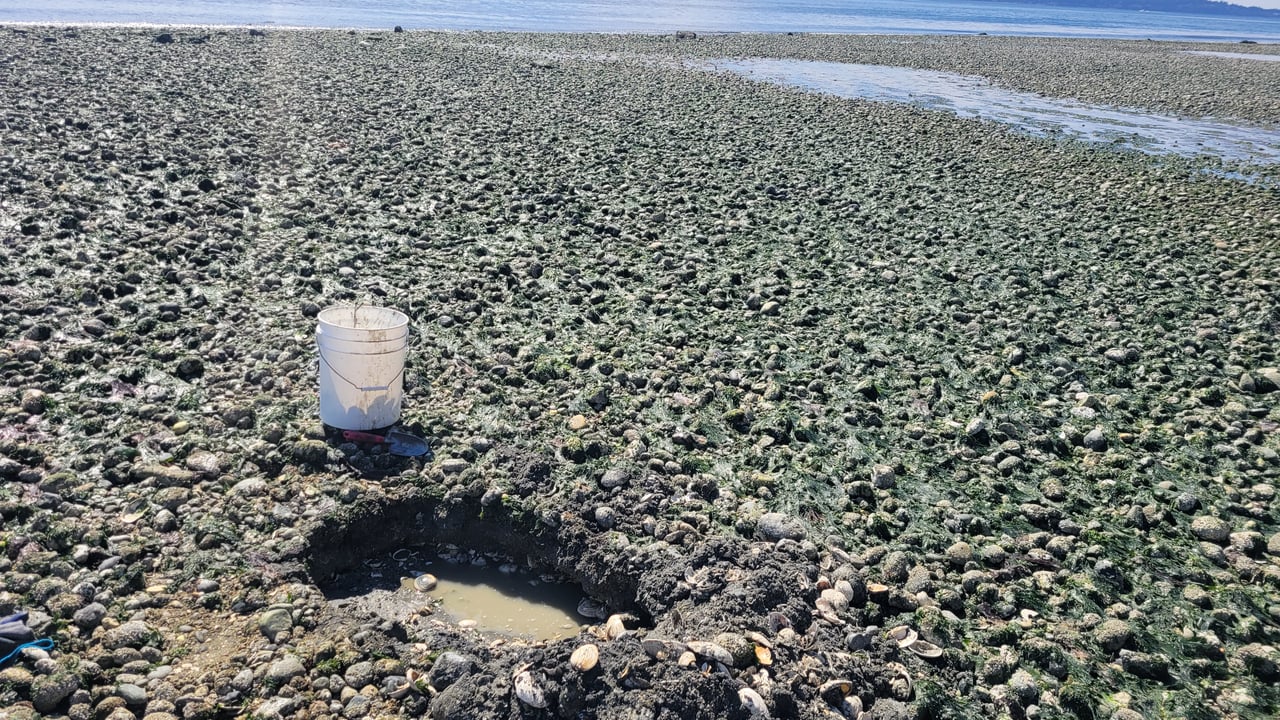
A few weeks ago I went clam digging with my friend, I'll call him Steve, on Whidbey Island. The tide was out, the sun was up, and the Olympics were gleaming across the water. We walked along the expansive flats off Double Bluff with shovels and buckets in hand, along with Steve’s golf-club-pull-cart-contraption "MacGyvered" with bungee cords to carry his buckets. As we scan the wet sand exposed by the low tide, we notice the contours of the sand have changed over time, but just beyond, our rocky uplift destination looks the same since our last excursion here many moons ago.
This is clam digging — one of the quiet (and tasty!) pleasures of foraging around Puget Sound.
Visiting Double Bluff Beach, on the southern tip of Whidbey, is one of those special pleasures. At good low tides around midday in late spring, the beach stretches out like a different world: the kind of place where you can slow down and pay attention, smell the salty seaweed air and search for clams. We bypass dimples in the sand which mark thinner varnish clams and head further down the beach. There, on a slight uplift, plump Butter Clams live about a foot deep under 4-6” roughly rounded rocks speckled with barnacles and seaweed. Here looking doesn’t help as much as standing still, and waiting for the high-pitched sound of a clam squirt. Steve, as it happens, has a knack for this. He scored.
Butter clams are worth the hunt. Plump, sweet, and deeply local, they've been part of Pacific Northwest coastal culture for thousands of years — harvested by Indigenous peoples long before others arrived on these shores. There's something meaningful about that continuum, about doing something intrinsically tied to the place we call home.
Years ago, Steve and I discovered this place and harvested clams for a few seasons. Then most of Whidbey's beaches were closed to clam harvesting, and the reason is entirely natural. A paralytic shellfish poison (PSP) bloom, commonly known as red tide, occurred in 2021. Butter clams can retain the associated marine biotoxins for a year or more. PSP is produced by naturally occurring toxic algae, and while it poses no threat to the clams themselves, it can cause illness in people who eat affected shellfish. The Washington Department of Health monitors levels regularly and updates their Shellfish Safety Map, which anyone planning a dig should check the same day they head out.
The next low tide, the lowest of the season, is coming up soon on June 13-17, 2026. Maybe I’ll see you out there!
Helping folks take advantage of the tremendous bounty of the Pacific Northwest is one of my favorite things about helping people "find HOME" here. Whether you're looking for a place to live or a great shellfish spot, give us a call. We've got you covered!